
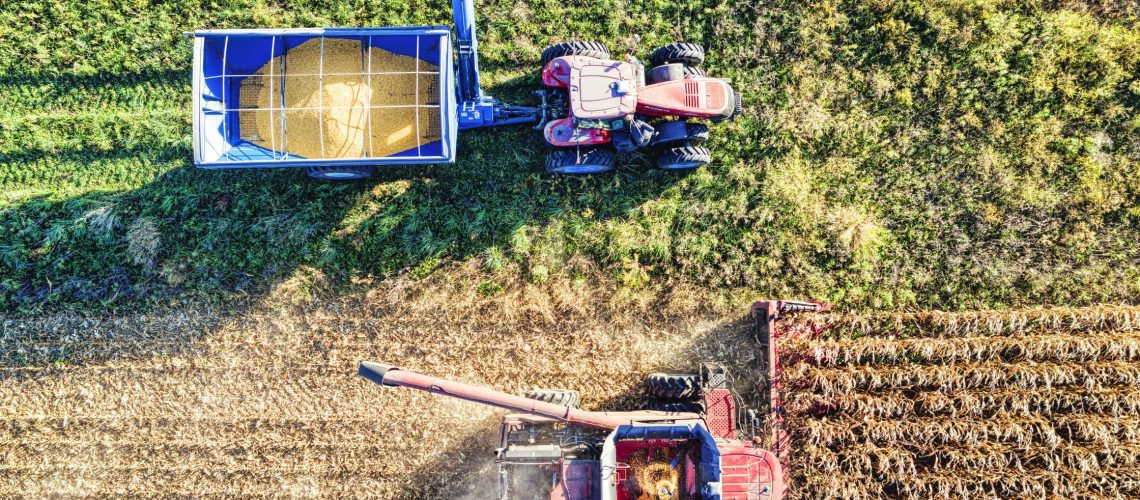
Regenerative farming focuses on improving soil health, biodiversity, and resilience while maintaining consistent yields. Grow practices that promote minimal disturbance, diverse crops, and thoughtful grazing. This approach connects soil vitality with water retention, climate resilience, and long-term productivity.
It is not a quick fix but rather a framework that encourages you to evaluate impact and adapt. Making decisions based on your land, expertise, and goals can impact your progress.
Principles of Regenerative Farming
Principles of regenerative farming center on rebuilding health in the soil, which in turn supports healthier crops, livestock, and ecosystems.
Focus on soil biology, organic matter, and biodiversity to drive resilience. Foster crop diversity to reduce pests and improve nutrient cycling, while maintaining soil fertility through compost, cover crops, and mindful grazing.
Water management guides irrigation to minimize waste and protect moisture. Engage with neighbors, researchers, and mentors to share insights and refine practices.
Use sustainable inputs to reduce chemical dependence and boost long-term productivity. Your approach combines science and stewardship to promote healthier farms and communities.
Methods and Practices for Soil Health
To build soil health, prioritize living roots, diverse organic matter, and minimal soil disturbance.
Implement crop rotation to break pest cycles and improve nutrient balance, while cover crops shield soil and feed the soil microbiome.
Composting benefits are realized through steady organic inputs that boost structure and moisture retention.
Use sustainable fertilizers sparingly, selecting slow-release options that align with crop needs and soil tests.
Minimize tillage to protect aggregates, and apply practice-based shifts to residue management.
Monitor microbial activity, adjust inputs, and integrate livestock where feasible to sustain long-term soil vitality and resilience.
Systems and Approaches: From Agroforestry to Silvopasture
Agroforestry and silvopasture blend crops, trees, and livestock to boost productivity while sequestering carbon. Explore how these systems improve overall resilience by integrating layers of vegetation, shade, and forage.
Agroforestry benefits include diversified yields, improved microclimates, and enhanced nutrient cycling, while silvopasture techniques optimize space and grazing efficiency. Cultivate crop diversity through companion plantings that reduce pests and stabilize soils.
Sustainable grazing emerges from planned stock movement and tree shade, lowering stress on pastures and boosting forage quality. Soil restoration, aided by organic matter buildup and reduced erosion, strengthens long-term productivity and ecosystem health.
Measuring Impact: Carbon, Water, and Biodiversity
Measuring impact in regenerative farming means tracking how much carbon gets stored, how water cycles through soils and plants, and how biodiversity responds over time.
Use carbon sequestration techniques to quantify gains, monitor shifts, and validate storage permanence. Biodiversity assessment tools help you detect species changes, habitat quality, and pollinator presence, leading to improvements.
Water retention strategies preserve moisture, reduce runoff, and support resilience during droughts. Apply ecosystem service valuation to translate ecological benefits into practical metrics for stakeholders.
Regenerative farming metrics then synthesize soil carbon, water efficiency, and species dynamics into a coherent picture of farming performance and adaptation.
Getting Started: Practical Steps and Resources
Getting started with regenerative farming means taking practical, focused steps that fit your land, goals, and resources. Assess soil health, water access, and climate, then pick achievable changes.
Start with crop diversity to build resilience and reduce pests naturally. Seek community involvement to share tools, knowledge, and labor, and form local partnerships for markets and soil amendments.
Prioritize sustainable resources like compost, cover crops, and minimal tillage, reducing waste and emissions. Attend educational workshops to learn adaptive techniques and monitor progress with simple metrics.
Focus on small, scalable, and adaptable actions that align with long-term goals for soil, water, and biodiversity.
Cultivating Resilience, Together with Southwest Florida Service & Supply
At Southwest Florida Service & Supply, we translate the promise of regenerative farming into tangible results on your property. As a long-time, family-owned partner in Arcadia, Florida, we combine hands-on experience with dependable service to ensure your operation thrives season after season.
- E-agriculture irrigation: Precision water delivery that protects your soil biology, reduces waste, and sustains healthier crops—so every drop works harder for you.
- Well water systems: Reliable, properly engineered supply from source to field, safeguarding water quality and pressure for consistent performance.
- Backflow prevention: Compliance-ready protection that keeps your water clean, your system safe, and your investment secure.
- Trailer repair shop: Fast, trustworthy repairs and maintenance that keep your equipment moving and your schedule on track.
Our team is known for responsive communication, fair pricing, and solutions tailored to the unique demands of Southwest Florida growers and land stewards. Whether you’re installing a new system, upgrading aging infrastructure, or maintaining the tools you already rely on, we show up with the right parts, the right expertise, and a commitment to getting it right the first time.
Partner with Southwest Florida Service & Supply, and you don’t just maintain your land—you build a more resilient, productive future. Let’s put smart water, reliable systems, and steady support to work for you.